Michigan Society of Anesthesiologists welcomes future physician anesthesiologists
The future of health care in Michigan is growing stronger as some of the state’s newest doctors embark on residency training, the next chapter in their journey to serving patients and communities.
Anesthesiology residency programs began on July 1, kicking off four years of training for future physician anesthesiologists who receive clinical education and hands-on experience in areas like surgical intensive care, cardiology, post-anesthesia care, and more. The Michigan Society of Anesthesiologists (MSA) is proud to welcome the newest class of anesthesiology residents.
“As anesthesiologists, we care for patients during some of the most vulnerable moments of their lives, and beginning residency is a significant step toward becoming a medical team leader,” said Dr. Matt Dellaquila, president of MSA. “Residents will gain knowledge, skills, confidence, compassion, and teamwork, providing excellent care to patients across Michigan now and long into the future.”
Michigan’s anesthesiology residency programs welcomed more than 80 first-year residents this year who are excited to begin their careers and serve patients across the state.
Dr. Curtis Mack, a first-year resident at Henry Ford Hospital and graduate of Wayne State University School of Medicine, is looking forward to serving the Detroit area, where he grew up. He enjoys anesthesiology because it combines physiological principles he learned in school with human connection and building trust with patients.
“I’m deeply committed to serving patients in the city that shaped me growing up. My connection to Detroit will allow me to connect with patients and provide care that’s grounded in empathy,” Mack said. “In residency, I look forward to expanding my knowledge of anesthesia and patient care, building relationships with co-residents and attending physicians, and building on the foundation of my training.”
Dr. Hira Ali’s interest in the field of anesthesiology began during an elective rotation she took during her time at the Michigan State University College of Human Medicine. Anesthesiology allowed Ali to see the impact of her care on patients in real time. As a first-generation American who immigrated to the United States from Pakistan during her childhood, Ali is excited to embark on a new journey at Henry Ford Health and help patients in underserved populations.
“I’m excited to play a bigger role in the medical team, make active care decisions, and have a meaningful impact on patients’ lives,” Ali said. “Anesthesiologists are one of the last people to talk to patients as they go into surgery, which for many people, is a big and scary thing. I get to be the person to help calm their fears, which creates a special bond between an anesthesiologist and a patient that I feel is unmatched.”
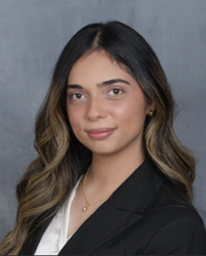
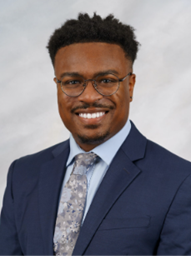
Dr. Hira Ali and Dr. Curtis Mack (courtesy of Ali and Mack)
comments